
Making Homemade Biscuits – Tips for Buttery Flaky Biscuits from Scratch
Making homemade biscuits isn’t hard, but there are a few things to keep in mind if you want them to turn out successfully. These biscuit-making tips will help you get the most out of your recipe.
Who doesn’t like the taste of a Southern-style fluffy and flaky biscuit made from scratch? They are a staple of Southern cooking and make a great add-on for any type of meal. They are the perfect side dish for any holiday meal.
This easy biscuit recipe needs just 3 ingredients, and it can be made in less than 30 minutes! Find out how to make the biscuits and also get tips for making buttery, flaky biscuits every time.
Some of the links below are affiliate links. I earn a small commission, at no additional cost to you, if you purchase through an affiliate link.
What makes a great biscuit?
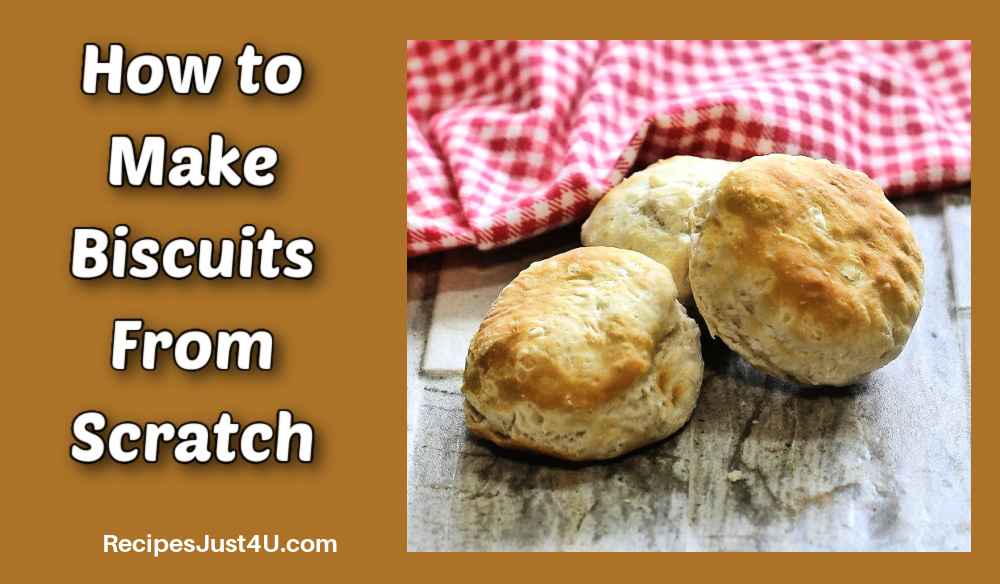
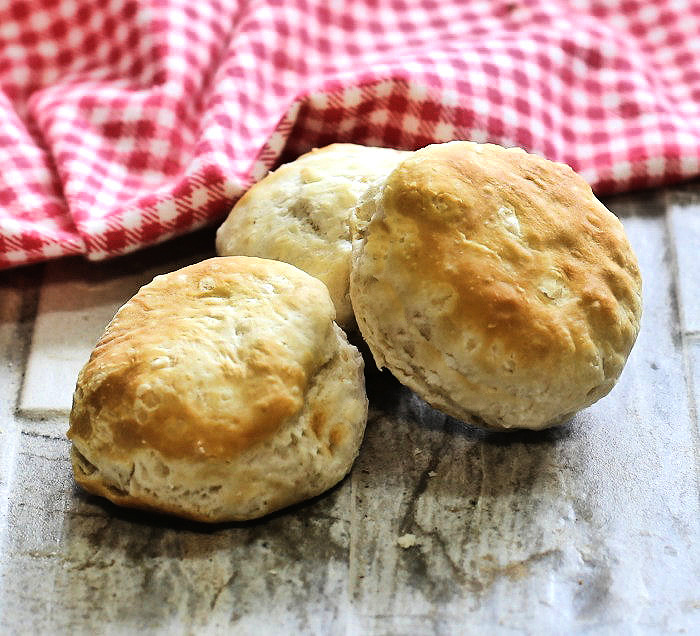
A great biscuit is light and fluffy, with layers of ingredients that separate easily without a knife. The biscuit has a golden brown outside that is slightly crispy but feathery soft inside. It is just waiting to be topped with butter or jam!
Sounds lovely, doesn’t it? But how does one manage such a flaky biscuit recipe? Let’s start with an easy 3-ingredient biscuit recipe.
Ingredients for this easy biscuit recipe
To make these biscuits from scratch, you’ll need just 3 ingredients:
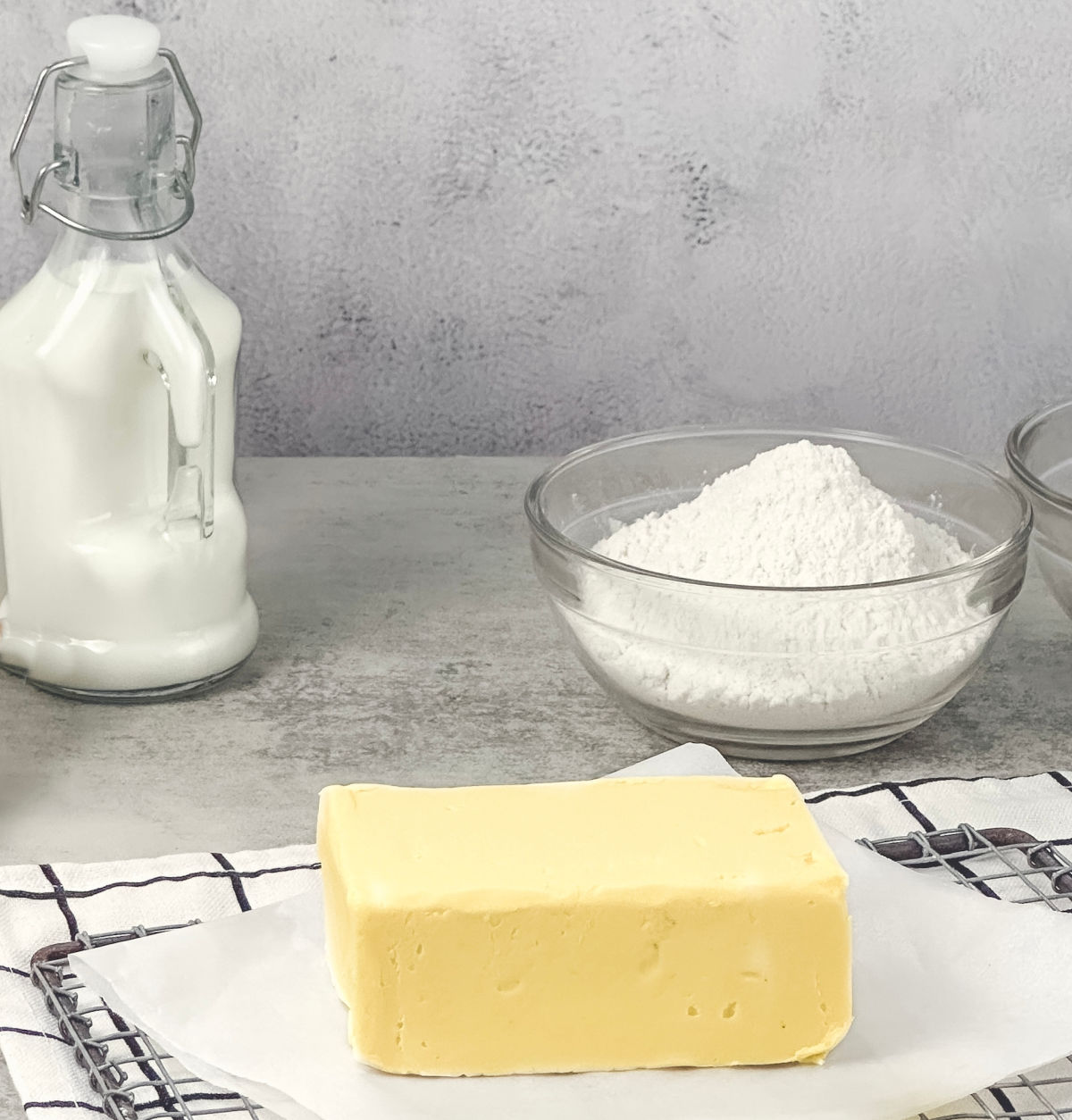
- 2 cups of self-rising flour
- ¼ cup of very cold butter, diced
- ⅔ – ¾ cup of real buttermilk
How to make 3-ingredient biscuits
While biscuits might seem as though they require a lot of practice getting the technique down pat, they are actually quite simple to make.
Prep steps
- Preheat the oven to 425°F (220°C).
- Make sure your butter is very cold.
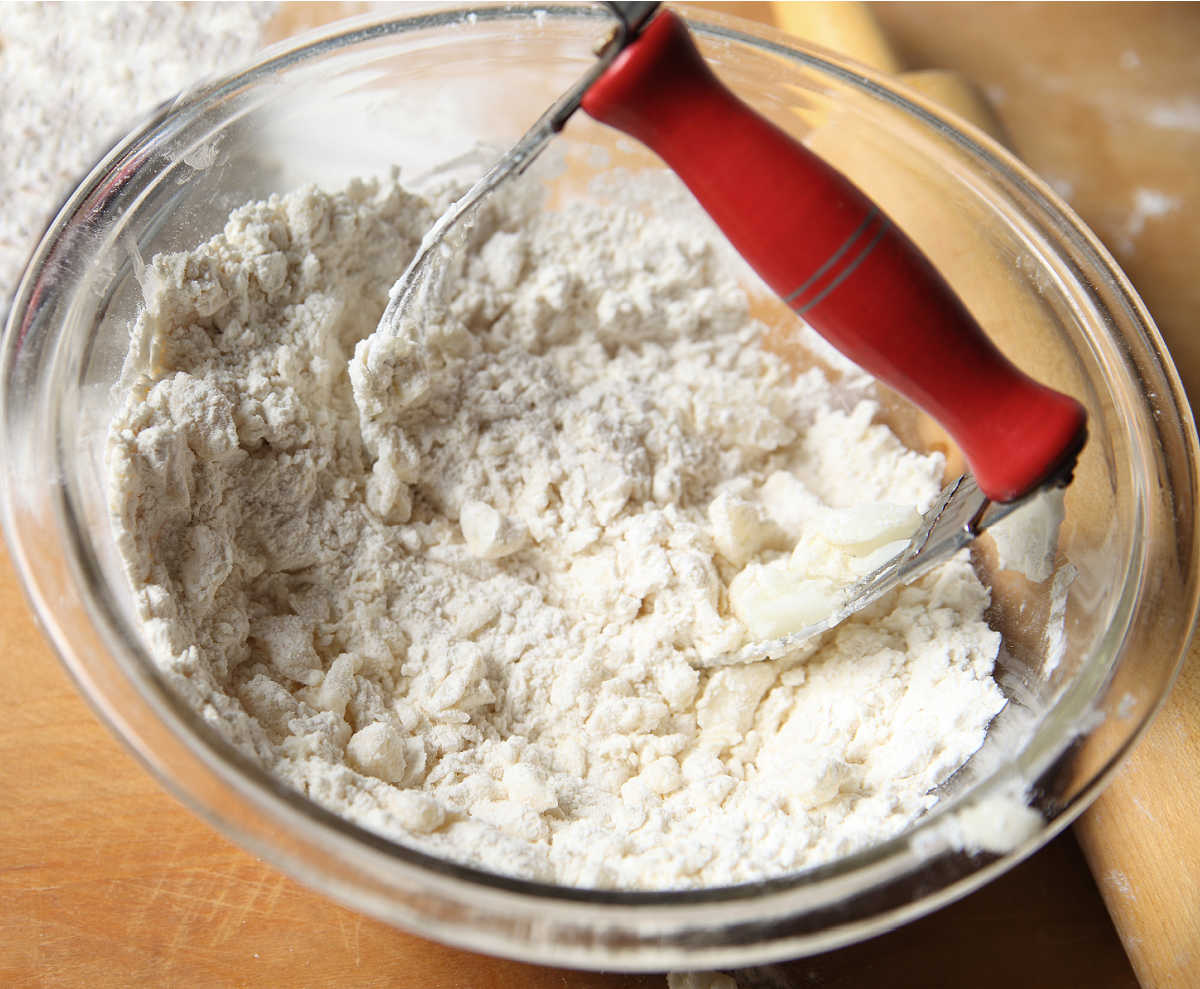
Cut the flour
- Measure the flour into a bowl.
- Cut in the butter until the mixture is crumbly and looks a bit like cottage cheese.

Add the buttermilk
- Add ⅔ cup of buttermilk into the flour mixture.
- Stir everything with a metal spoon until the batter holds together and separates from the side of the bowl.
- Add a bit more buttermilk if needed.
Roll out the dough
- Place the dough on a lightly floured surface.
- Roll it with a rolling pin.

Make the dough layers
- Cut the dough in half and place one half on top of the other half.
- Roll again and repeat.

Cut the biscuits
- Roll the dough so that it is ½ inch thick.
- Cut the biscuits with a 2-3 inch metal cutter with sharp edges.

Bake the biscuits
- Place the biscuits on a baking sheet, leaving about 1 inch between them for crisp edges, or more closely for soft edges.
- Bake for 12-14 minutes until they are light golden brown.

The inner layers are light and fluffy. They are just waiting for you to add some butter, jam, or whipped cream. Or maybe all three? Cherry preserves and whipped cream it is!
Tips for making homemade biscuits from scratch
Now that you have the easy recipe, let’s discover how to make sure they are buttery and flaky every time you make them.
If you keep a few tips in mind and use a light touch and cold ingredients, you’ll be making the biscuits that your friends will love, and they will all keep asking you for the recipe.
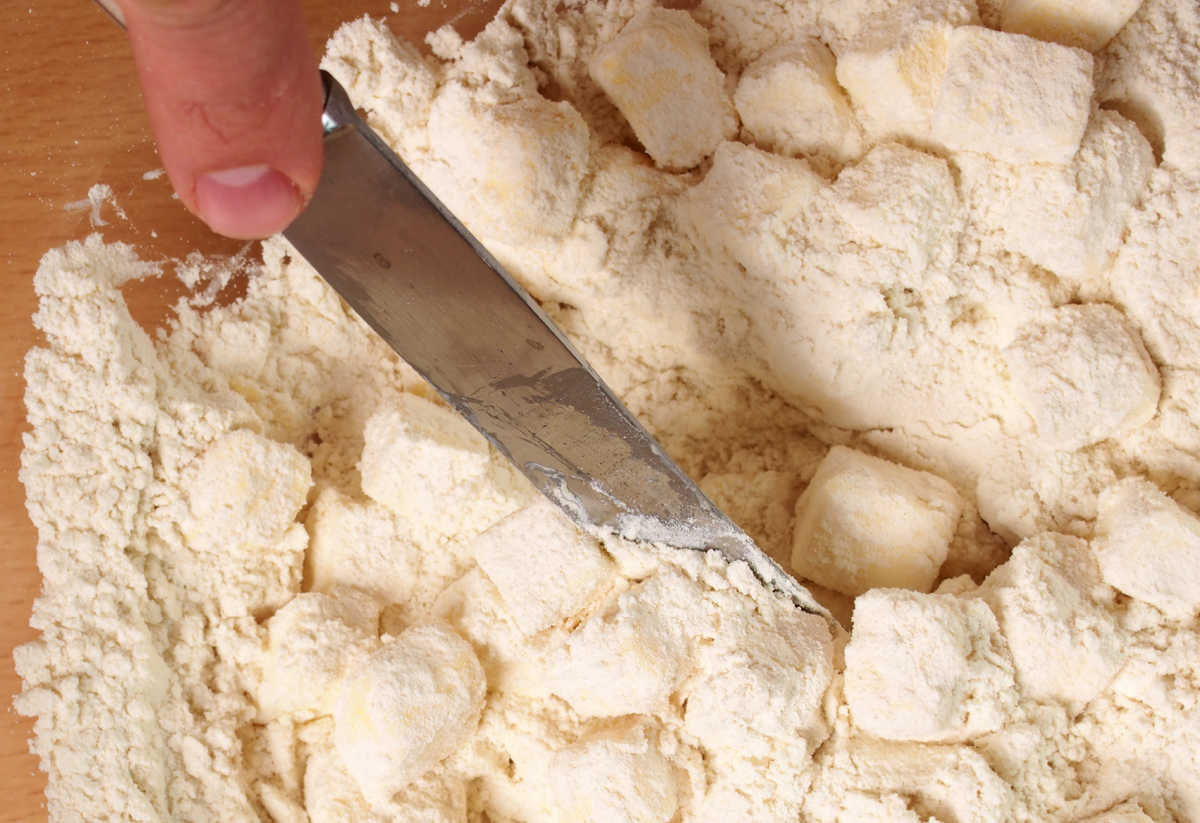
Start with cold ingredients
All biscuits use fat in them, and whatever fat you choose, the key to great-tasting, flaky biscuits with separate layers is starting with cold fat.
- When fats are cut into flour, you get small lumps that are coated in flour and melt during the baking process to leave you with a biscuit that has lovely flaky layers.
- Using a fat that is warm allows it to begin melting, giving you a dense and tough biscuit.
- You can put the flour in the freezer overnight before you start your homemade biscuit recipe to make sure it is very cold.
- Work on cold surfaces, like wood, metal, or marble cutting boards and counters.
- Until you get used to making biscuits, avoid using your hands as much as possible, since this will also warm the ingredients, which you don’t want.
- A cold knife and flour cutter keeps your hands away from the butter.

Use good quality ingredients
- Self-rising flour is best for biscuits because it contains a leavening ingredient that makes the biscuits rise well.
- Avoid all-purpose flour, cake flour, and pastry flour, which are better used in other baked goods.
Which fats are best for biscuits?
- Use the best butter you can buy. The flavor of buttery biscuits is the goal, so using premium butter is a must.
- Shortening or lard is also good for Southern biscuits.
- Many Paleo cooks use coconut oil for their biscuits along with a gluten-free self-rising flour blend.
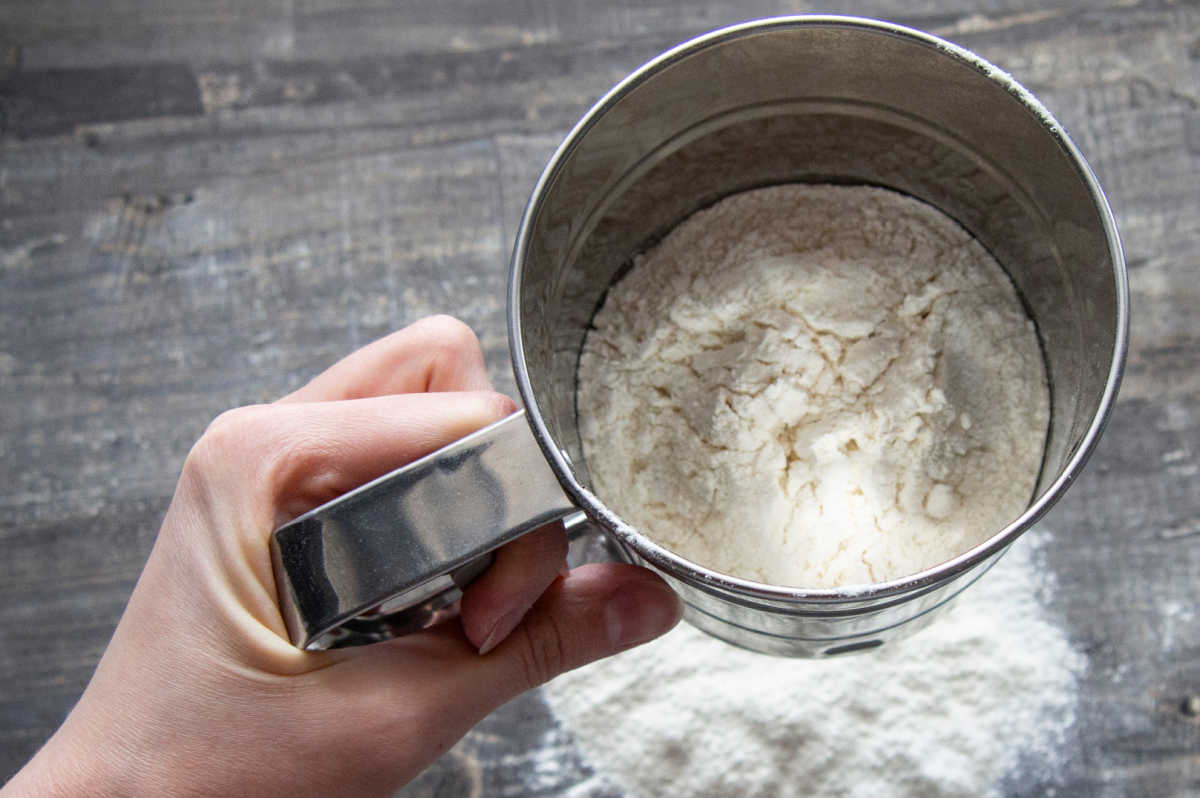
Mix the dry ingredients with a sifter
Don’t just whisk or mix your dry ingredients in a large bowl. Instead, use a flour sifter.
- Sifters smooth out any lumps in the flour and give you a texture that is very consistent when it bakes.
- Don’t measure by scooping. Either weigh your flour or use the spoon method of measuring flour to ensure the amount is right.
Mix the liquid with the dry ingredients
- Make a well in the middle of the flour mixture where you can add the liquids.
- To make sure that your biscuits are soft and fluffy, blend the liquid and dry ingredients with a metal spoon or flour cutter until the dough somewhat resembles the look of cottage cheese.
- This will make sure that the gluten in the flour is not activated too much. Don’t overmix, or you will end up with flatter biscuits that are tough and don’t rise as high.
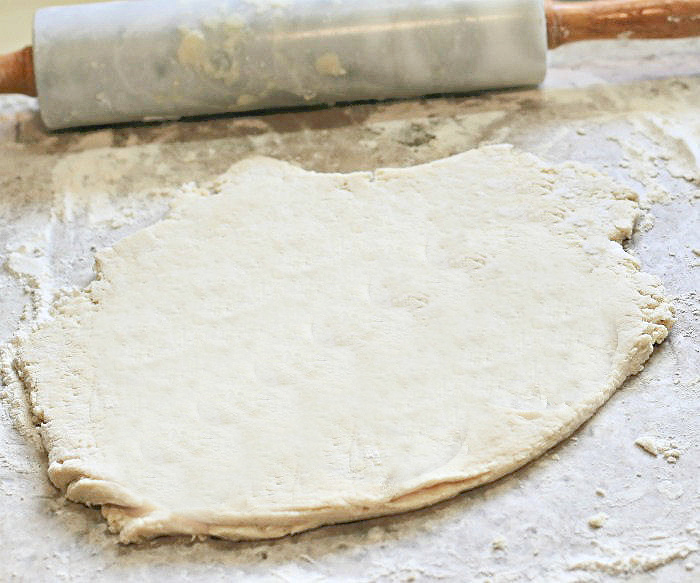
Work on cold surfaces
- Marble cutting boards or granite counters are not only beautiful in homes, but they are a good place to work with biscuit dough.
- They are cold, they STAY cold, and biscuits love the cold!
- Use a marble rolling pin to roll the dough and avoid touching it as much as possible.
- Only use as much flour on the surface as you need to keep the dough from sticking.
- Biscuit dough will grab all the flour around, and this could make the biscuits dry if you are not careful.
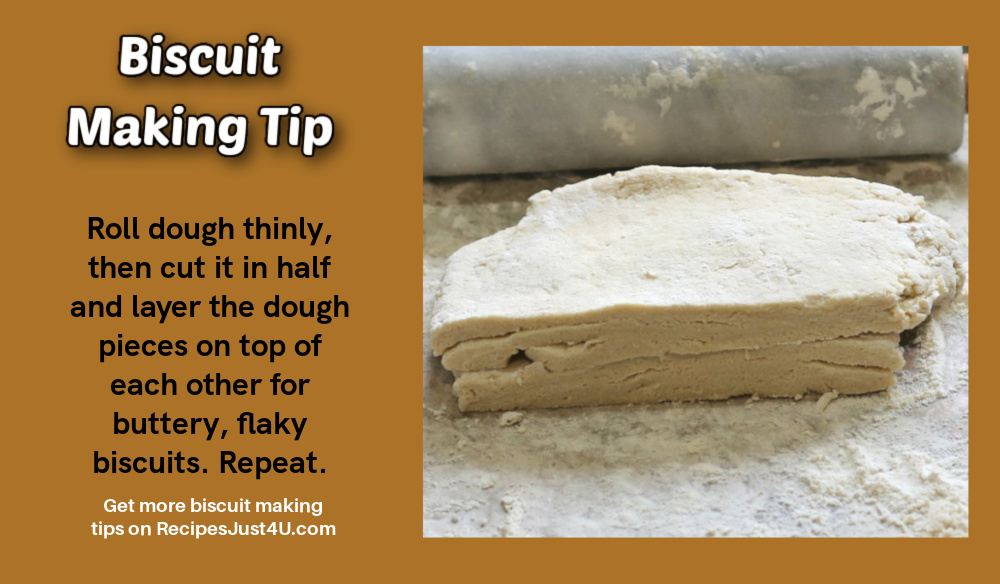
Biscuit making tip: Roll the dough thinly, then cut it in half and layer the dough pieces on top of each other. Then roll more dough and repeat the layers. This ends up giving you lots of layers in my biscuit dough, and they rise beautifully.
Use a metal cutter
- A 2-3 inch metal cutter with sharp edges gives a nice cut to your biscuits.
- Cut them as close to each other as you can so you won’t have much leftover dough.
- The extra dough can be reused for something else, such as individual strawberry shortcakes.
- If you don’t have a sharp biscuit cutter, you can use a mason jar lid. It’s just the right size!
- Be careful not to twist the biscuit cutter. Just cut and pull the biscuit dough straight up. If you twist, it will make those lovely layers you just made twist, and the biscuits won’t cook evenly.
How far to space the biscuits
- If you like biscuits with slightly crispy edges, leave about 1 inch between each biscuit so the edges will brown slightly on all sides.
- If you like the edges of your biscuits to be soft, you can place them much closer together.
- Metal baking pans work best.
- Brush the tops of the biscuits either before cooking or after (or both) for an extra buttery biscuit.

FAQ about making homemade biscuits
Here are some questions and answers that I get from readers about making homemade biscuits.
Can you substitute shortening for butter in the biscuit recipe? Yes, many types of fat will work, as long as they are cold and solid. Some options are:
- Lard
- Shortening
- Coconut oil
Note: The type of fat you choose makes a difference to the height that the bisciots achieve. This is because butter has some water in it, and the steam gives baked goods a boost to help them rise higher.
- Biscuits made with butter will rise the most.
- If you use shortening or lard, the biscuits will be a bit shorter and a bit drier, as well.
- Coconut oil biscuits will be even shorter.
What liquids can be used in biscuits? There are lots of choices for the liquids that can be used. Buttermilk is a common ingredient. It is known for making tender biscuits that have a bit of a tang.
- Other choices are sour cream, half and half, and heavy cream
- Greek or plain yogurt can also be used.
Note: Since each liquid contains varying amounts of milk solids, fat, water, and acid levels, the choice of liquid can also change the flavor and texture of biscuits. The liquid choice can also affect the color.
- Butter biscuits brown a bit more than those using the other fats because butter contains milk solids, which caramelize at high temperatures.
- Biscuits made with heavy cream brown the least.
- The half and half biscuits brown to a medium color.
How to make biscuits without baking powder?
Some biscuit recipes call for baking powder. A combination of baking soda and cream of tartar also works as a substitute for baking powder. If you don’t want to, or can’t, use baking powder, you can substitute something with an acidic base instead. Choices are:
- Baking soda
- Vinegar
- Lemon juice
- Yogurt
How to make biscuits without milk? Most recipes that call for milk can have water substituted.
- Use 1 cup of water and 1 ½ teaspoons of butter for each cup of milk called for.
- Canned coconut milk can also be used, but it will change the taste of the biscuit.
How to make gluten-free biscuits without wheat flour?
Use an all-purpose gluten-free flour along with xanthan gum and gluten-free baking powder in place of normal flour and baking powder. King Arthur flour has a gluten-free biscuit recipe that works great.
How do I store cooked biscuits? Any leftover biscuits can be stored for about 4 days in airtight containers or resealable plastic baggies.
- You can also freeze them in freezer-proof Ziploc bags for up to 3 months.
- Leftover biscuits can be stored in resealable plastic bags.
- When refrigerated, they will keep for about 4 days.
- They can be frozen for up to a month without drying out if they have been cooked, or up to a month uncooked.
- Don’t thaw the uncooked dough. Just double the cooking time.

Share this post about tips for making homemade biscuits on X
Have you enjoyed learning how to make homemade biscuits? Let your friends and family know about these tips by sharing this post:
🥐🧈 Homemade biscuits don't have to be complicated! These 3-Ingredient Biscuits are easy to make in less than 30 minutes. You'll also get helpful tips for making flaky, tender biscuits from scratch. Warm, buttery biscuits are just a… Share on XPin this post about tips for making biscuits
Would you like a reminder of this post with a 3-ingredient biscuit recipe? Just pin the image below to one of your recipe boards on Pinterest so you can easily find it later.
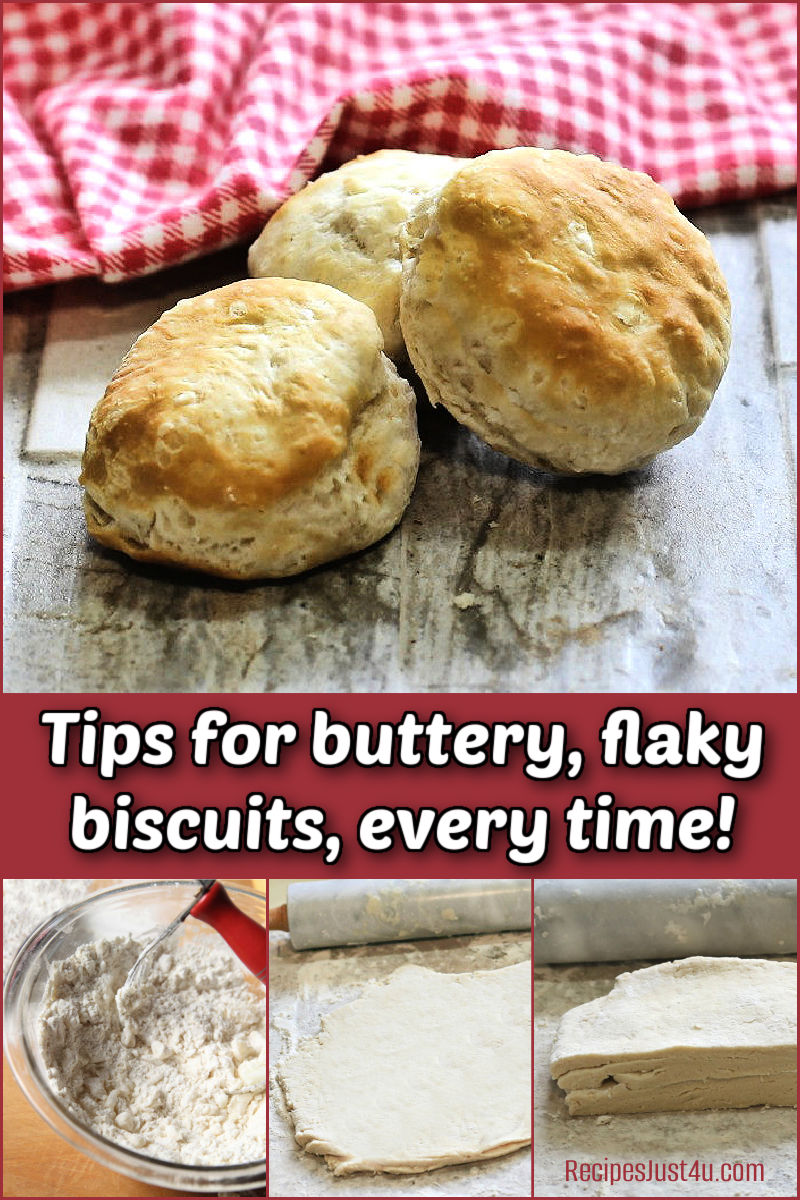
Admin note: This article on making biscuits from scratch first appeared on the blog in May 2018. This post has been updated with new photos, a printable recipe card, and a slideshow video.
3 Ingredient Buttermilk Biscuits

These homemade buttermilk biscuits are light and flaky with a soft tender center. They are very easy to make and only need 3 ingredients!
Ingredients
- 2 cups of self-rising flour
- ¼ cup of very cold butter, diced
- ⅔ - ¾ cup of real buttermilk
Instructions
- Preheat the oven to 425°F (220°C).
- Measure the flour into a bowl and cut in the butter until the mixture is crumbly and looks a bit like cottage cheese.
- Add ⅔ cup of the buttermilk and stir the mixture with a metal spoon until the batter holds together and separates from the side of the bowl. Add a bit more buttermilk if needed.
- Place the dough on a lightly floured surface and roll it with a rolling pin.
- Cut the dough in half and place one half on top of the the other half. Roll again and repeat.
- Roll the dough so that it is ½ inch thick. Cut the biscuits with a 2-3 inch metal cutter with sharp edges.
- Place the biscuits on a baking sheet, leaving about 1 inch between them for crisp edges, or more closely for soft edges.
- Bake for 12-14 minutes until they are light golden brown.
- Bake the biscuits for 10 to 14 minutes, or until they're a light golden brown.
Recommended Products
As an Amazon Associate and member of other affiliate programs, I earn from qualifying purchases but the price is the same for you.
-
 Flour Sifter - 5 Cup Fine Mesh Hand Crank Sifter Stainless Steel with Agitator Wire Loop for Baking, Powdered Sugar Duster Set
-
 Pastry Shortening Blender Cutter, Stainless Steel, 1, Black | Dough Masher for Butter, Biscuit, Baking, Kneading, Dough, Flakier and Fluffier Pie Crusts
-
 Kitchen 17-Inch Marble Rolling Pin With Stand - Polished Marble Rolling Pins For Baking With Long Beechwood Handle - Non-stick Roller Pin
Nutrition Information:
Yield:
12Serving Size:
1Amount Per Serving: Calories: 213Total Fat: 16gSaturated Fat: 10gTrans Fat: 1gUnsaturated Fat: 5gCholesterol: 41mgSodium: 390mgCarbohydrates: 16gFiber: 1gSugar: 1gProtein: 3g
Nutritional information is approximate due to natural variation in ingredients and the cook-at-home nature of our meals.


Can’t get any easier then that! Thanks for sharing!
I just finished reading your information. I did not realize it made a difference by using cold items and utensils. I do know I want the best biscuits I can make. Do you knojw does it take extra baking time for thicker biscuits and if so how do you know how much time to add. I want biscuits to be about 3″ after cooked. Thank you for your helpful information. Seen this on receipes just 4you.
If you roll your dough thicker, it will take extra time to cook. The best way is to test. I add a minute or two and watch them so they don’t brown too much.